
The Complete Guide to Roof Leak Repair in Gainesville, FL
Roof leaks often begin as minor issues, such as a single missing shingle or a small crack in flashing, but if ignored, they can escalate into significant problems that compromise the structural integrity of your home. Persistent water intrusion can weaken the roof deck, cause rot in wooden framing, damage insulation, and lead to widespread mold and mildew growth, which poses health risks for occupants. Timely roof leak repair is essential to prevent these cascading effects and maintain the safety and longevity of your home. Understanding how to identify leaks early, recognize the typical sources of roof damage, and respond effectively can save homeowners from costly and disruptive repairs in the future. This guide will provide you with practical knowledge to detect early warning signs, inspect common problem areas, and determine when professional intervention may be necessary to safeguard your property.
How to Identify and Repair Roof Leaks Before They Cause Major Damage
Preventing small roof issues from developing into major structural problems starts with early detection. Roof leak repair is not just about fixing visible water stains; it’s about understanding the warning signs, inspecting vulnerable areas, and addressing issues promptly to protect your home’s integrity.
Key steps to identify and repair roof leaks:
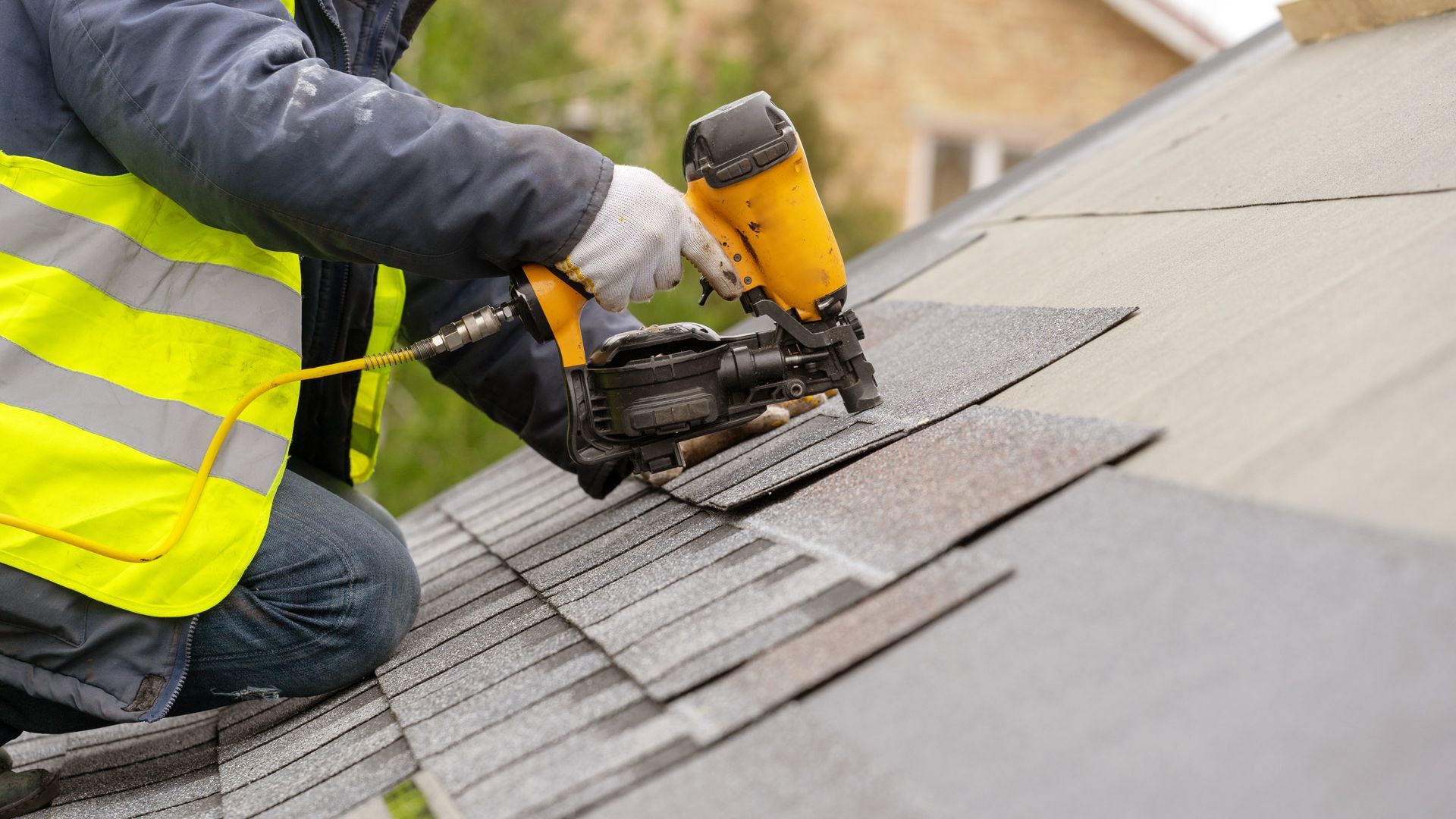
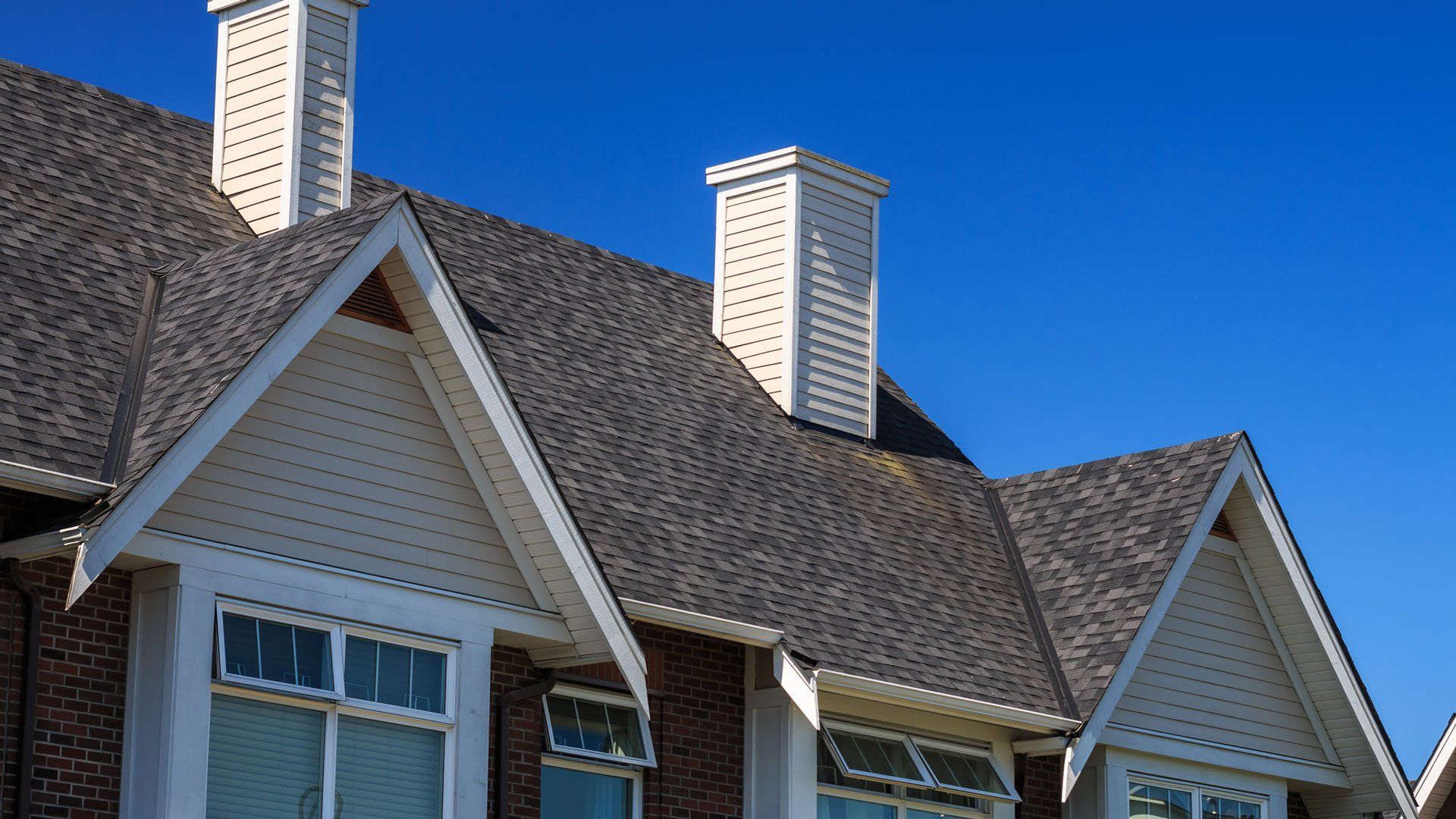
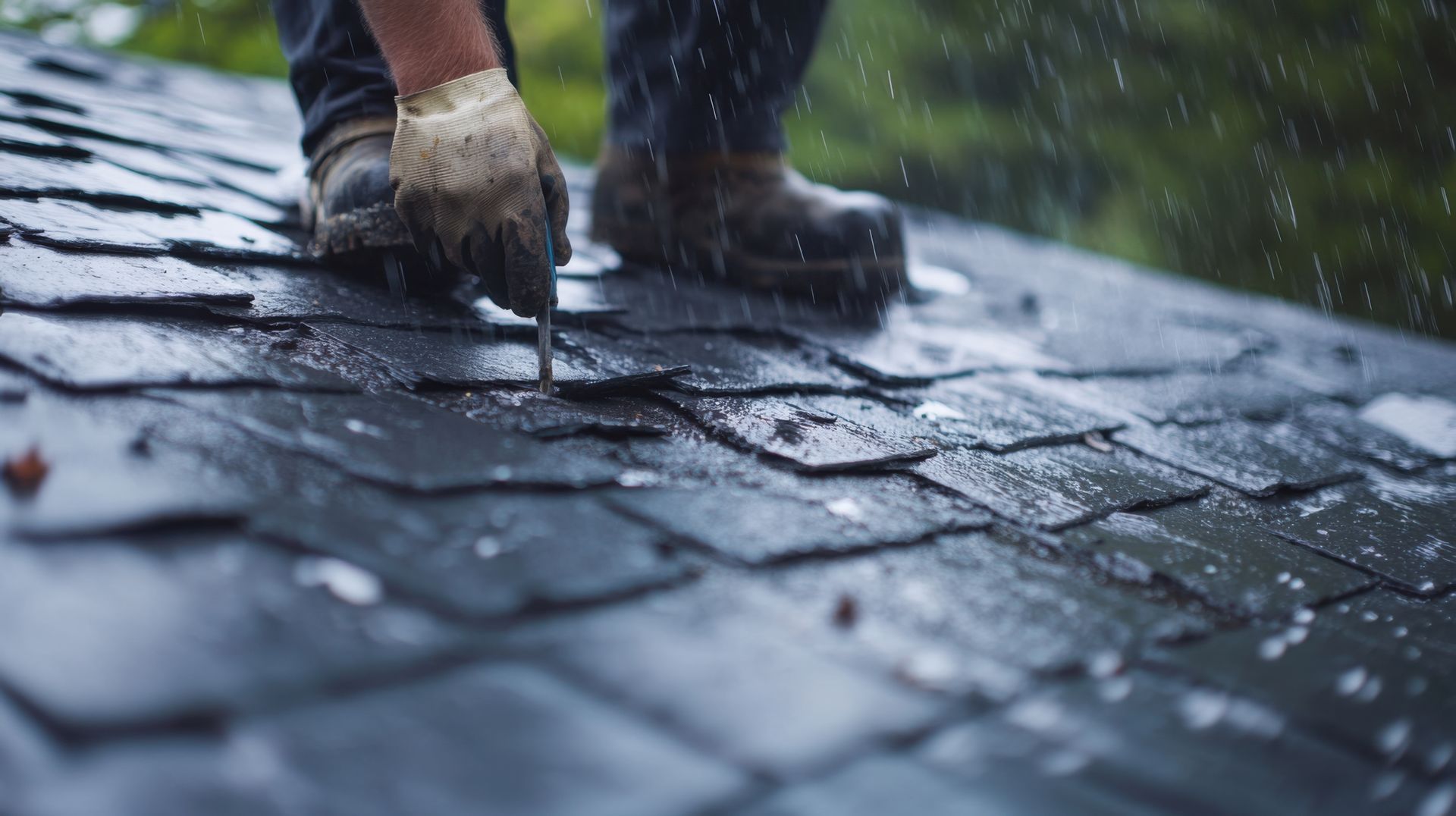
- Inspect shingles and roofing materials carefully: Check for missing, cracked, curled, or warped shingles. Damaged shingles compromise the roof’s protective layer, allowing rainwater to penetrate and weaken the underlying roof deck. Even minor wear can be an early indicator of a larger problem.
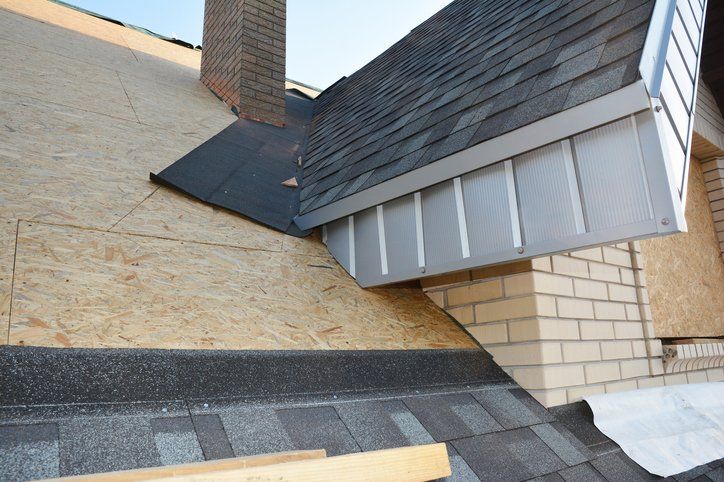
- Check flashing and roof seals thoroughly: Flashing around chimneys, vents, skylights, and other roof penetrations is a common entry point for water. Look for rust, cracks, or loosened metal pieces. Sealant deterioration is another warning sign that requires immediate attention to prevent leaks.
- Monitor interior water stains and discoloration: Water marks on ceilings or walls may appear long before a leak becomes noticeable on the roof itself. Irregular shapes, yellow or brown streaks, and peeling paint are often early indicators of water intrusion.
- Examine gutters, downspouts, and roof drainage: Gutters clogged with leaves, debris, or shingle granules can cause water to back up under the roof edges. Ensure that all gutters and downspouts are clear and properly directing water away from the home to avoid roof and foundation damage.
- Assess the attic and insulation for hidden issues: Damp insulation, mold, mildew, or even visible daylight through the roof can indicate leaks that aren’t yet apparent inside the living spaces. Regular attic inspections are essential, especially after heavy rain or storms.
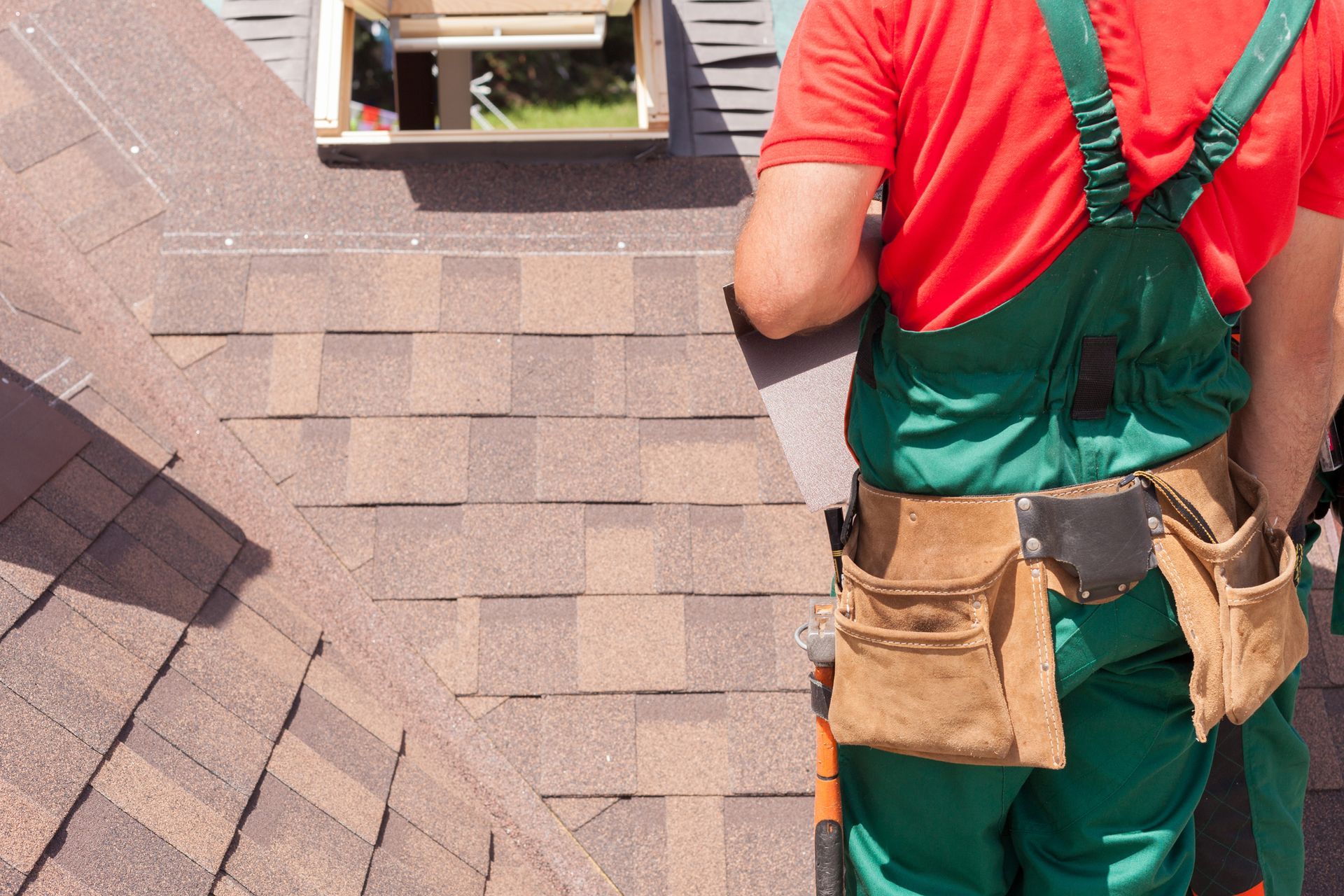
- Promptly repair detected issues: Even small leaks or signs of water intrusion should be addressed immediately. Replace damaged shingles, reseal flashing, and repair minor roof damage to prevent further deterioration, structural compromise, and the growth of mold and mildew.
By taking these proactive steps, homeowners can catch leaks early and implement effective repairs before small problems escalate into expensive, disruptive, and potentially dangerous water damage. A thorough inspection combined with timely repairs ensures the longevity, safety, and value of your home.
Warning Signs of Roof Leaks Inside Your Home
Detecting a roof leak early is essential to prevent extensive water damage, structural issues, and costly repairs. Roof leak repair becomes far more manageable when homeowners can identify subtle signs before they escalate into serious problems. Understanding these warning signals allows for timely inspections and fixes, protecting both the safety and value of your home.
Key warning signs to watch for:
- Water stains on ceilings and walls: Yellow, brown, or dark discoloration can indicate water has penetrated the roof and is seeping into the interior. Even small or faint stains should not be ignored, as they often precede larger leaks that can compromise drywall, paint, and insulation.
- Mold or mildew growth: Moisture from roof leaks can create the perfect environment for mold and mildew to develop. Look for green, black, or white patches on ceilings, walls, or attic spaces, as well as musty odors. Mold not only damages building materials but also poses health risks, including respiratory issues and allergies.
- Dripping or pooling water: Visible drips, puddles, or damp spots on ceilings or in corners are clear indicators of active leaks. These signs usually require immediate attention to prevent water from spreading into insulation, structural beams, or flooring.
- Sagging ceilings or walls: Water that accumulates over time can weaken structural elements, causing ceilings or walls to bulge or sag. This is a serious warning that the leak has persisted for some time and may require more extensive repair.
- Peeling paint, wallpaper, or plaster: Excess moisture trapped behind walls or ceilings often causes paint to bubble, crack, or peel. Wallpaper may also warp or separate from the wall surface. This is typically an early visual cue that water is infiltrating your home from above.
- Stains on attic insulation or roof decking: Inspecting the attic can reveal hidden leaks that aren’t yet visible in living spaces. Damp, discolored, or compressed insulation and darkened wood can signal long-term water infiltration.
The Importance of Promptly Addressing Roof Leaks
Addressing roof leaks as soon as they are detected is critical to preventing serious and costly damage. Even small leaks can quickly escalate, compromising the structural integrity of your home and creating conditions for mold and mildew growth. Timely roof leak repair not only protects your property but also ensures a safer and healthier living environment.
Why prompt action matters:
- Prevents structural damage: Water infiltration can weaken roof decking, rafters, and walls, potentially leading to sagging ceilings or even structural failure.
- Reduces mold and mildew risk: Moisture left unchecked creates an ideal environment for mold, which can damage surfaces and affect indoor air quality.
- Protects insulation and interior finishes: Wet insulation loses effectiveness, and water stains can ruin ceilings, walls, and flooring.
- Minimizes repair costs: Addressing leaks early avoids the need for extensive repairs, such as full roof replacement or major interior restoration.
- Maintains home value: Homes with unresolved leaks or water damage can decrease in market value and create problems during inspections or sales.
Don’t wait until a small leak turns into a costly problem. Schedule your roof leak repair today to protect your home from water damage. Early action can save time, money, and stress.
Contact us now and ensure your roof stays safe and secure!